Chapter 2 · General Knowledge · 2 questions in the paper · 14 min read
The World: Geography, Organisations, Sports and Science
What the syllabus asks for 4
- World records, capitals and nicknames of places
- United Nations and other organisations
- Olympics, football and cricket world cups
- Inventions, discoveries and awards
World GK is the other half of the general knowledge questions: records, capitals, nicknames, the UN, the Olympics and football/cricket world cups, inventors and awards.
The Dean's Office model asked who won the FIFA World Cup 2018, which discipline has no Nobel Prize, and the "Father of Computer". Sports results below are dated; revise from the latest news.
- Records: largest, smallest, tallest, longest, deepest.
- Capitals and nicknames of places.
- UN and regional organisations: founding year, headquarters, members.
- Sports: World Cup winners (football, cricket), Olympic hosts.
- Inventions and awards: inventor of the telephone, WWW; Nobel categories.
2.1 World records, capitals and nicknames
| Record | Answer |
|---|---|
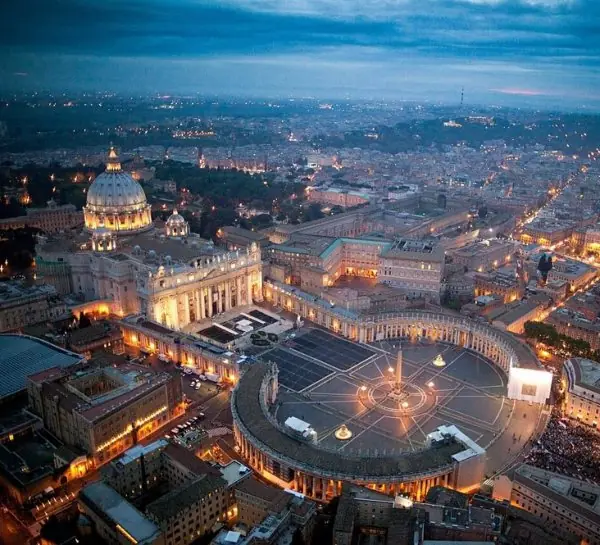
| Largest country / smallest country | Russia / Vatican City |
| Most populous country (since 2023) | India |
| Largest continent / ocean | Asia / Pacific |
| Longest river (commonly cited) | Nile |
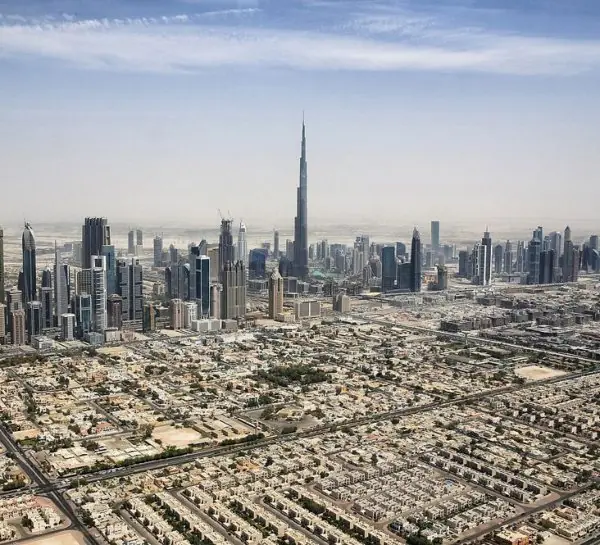
| Tallest building | Burj Khalifa, Dubai (828 m) |
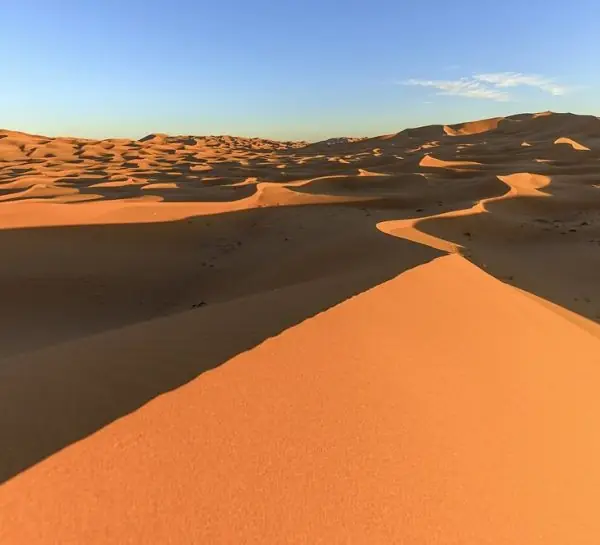
| Largest hot desert | Sahara |
| Deepest point of the oceans | Mariana Trench |
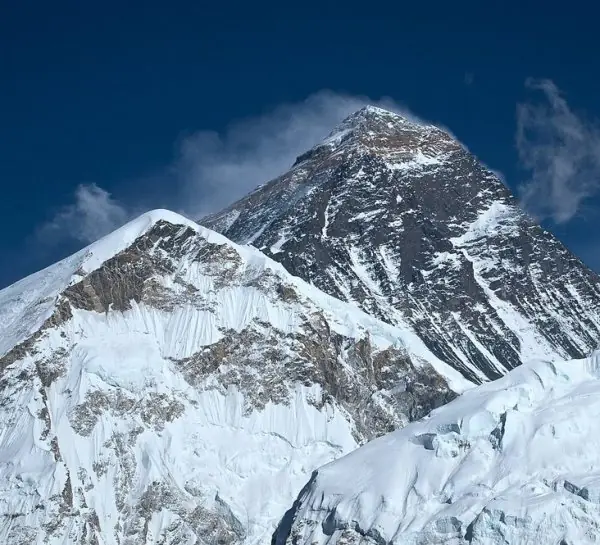
| Highest mountain | Everest |
| Country | Capital | Country | Capital |
|---|---|---|---|
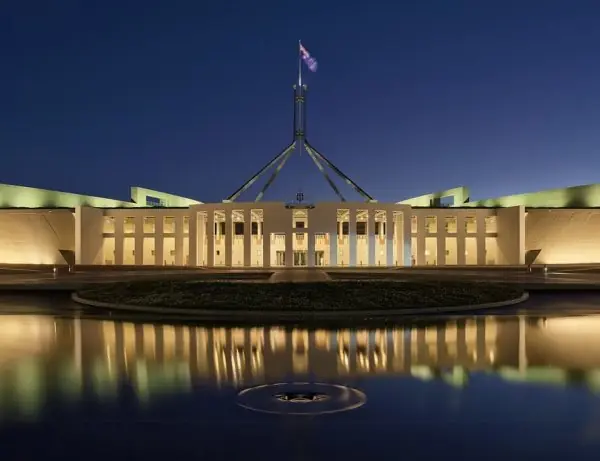
| Japan | Tokyo | Australia | Canberra |
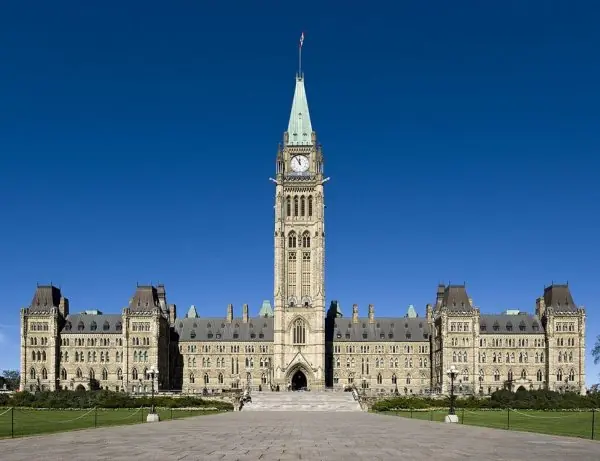
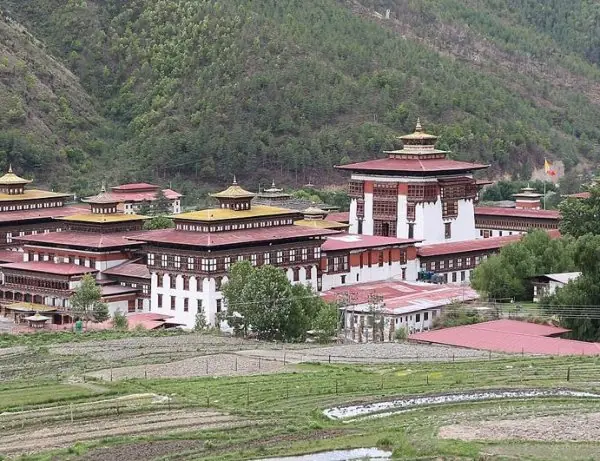
| Canada | Ottawa | Bhutan | Thimphu |
| Pakistan | Islamabad | Bangladesh | Dhaka |
| Brazil | Brasília | Switzerland | Bern |
Nicknames: Japan — Land of the Rising Sun; Bhutan — Land of the Thunder Dragon; New York — the Big Apple; Rome — the Eternal City; Jaipur — the Pink City; Africa — the Dark Continent.


2.2 United Nations and other organisations
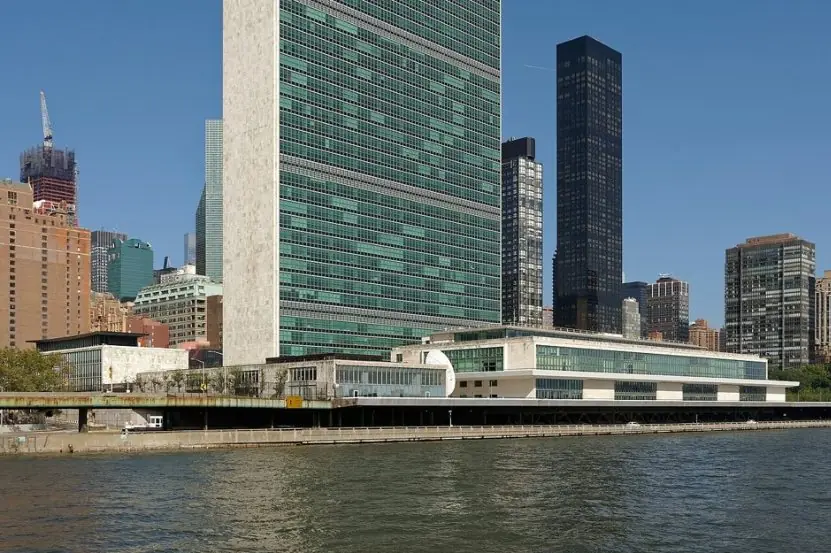
- United Nations: founded 24 October 1945, headquarters New York, 193 member states; five permanent members of the Security Council (USA, UK, France, Russia, China). Nepal joined in 1955.
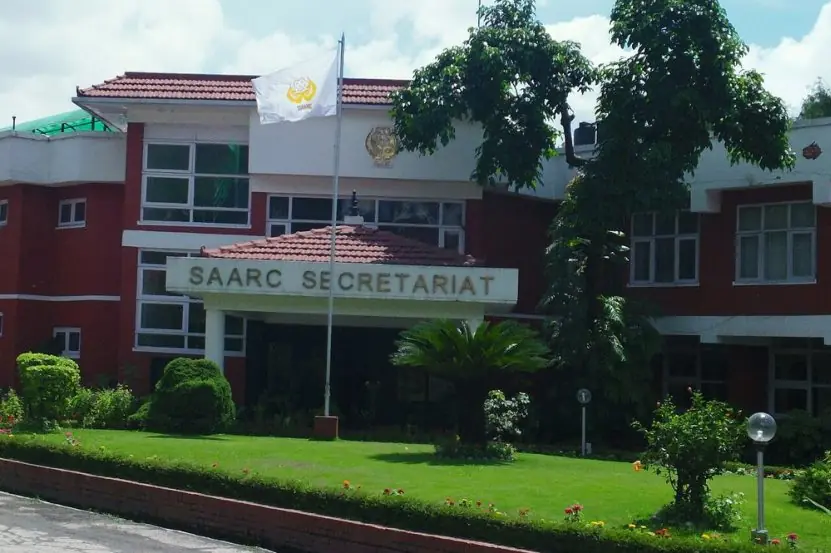
- SAARC: founded 1985 in Dhaka; secretariat in Kathmandu. WHO and WTO: Geneva. UNESCO: Paris. IMF and World Bank: Washington, D.C.


2.3 Olympics, football and cricket world cups
| Event | Result |
|---|---|
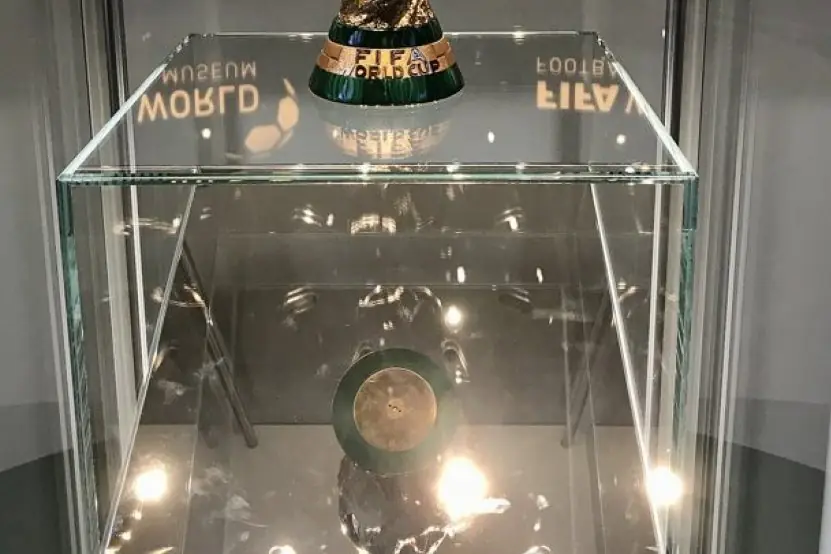
| FIFA World Cup 2018 (Russia) | France |
| FIFA World Cup 2022 (Qatar) | Argentina |
| FIFA World Cup 2026 (USA, Canada, Mexico) | Spain beat Argentina 1–0 after extra time, 19 July 2026 |
| Euro 2024 | Spain |
| ODI Cricket World Cup 2023 | Australia |
| Women's ODI World Cup 2025 | India |
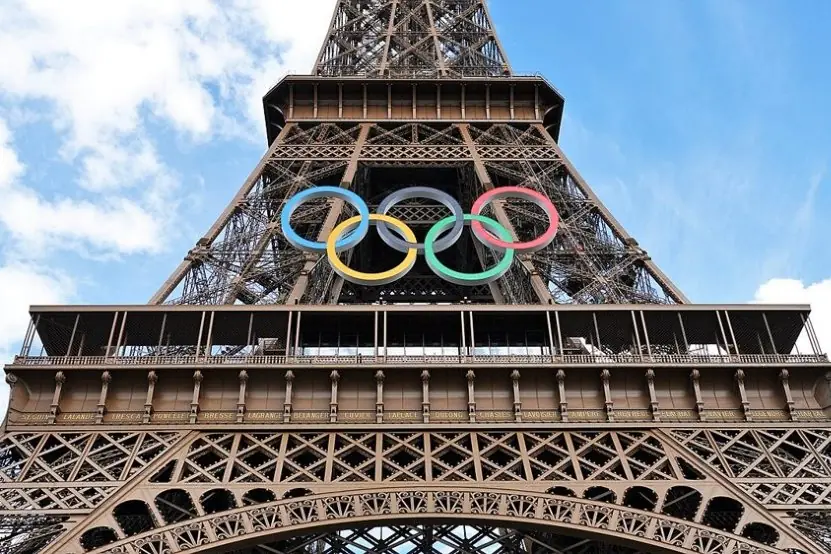
| Olympics 2024 / 2028 | Paris / Los Angeles |

2.4 Inventions, discoveries and awards
| Invention / discovery | Person |
|---|---|
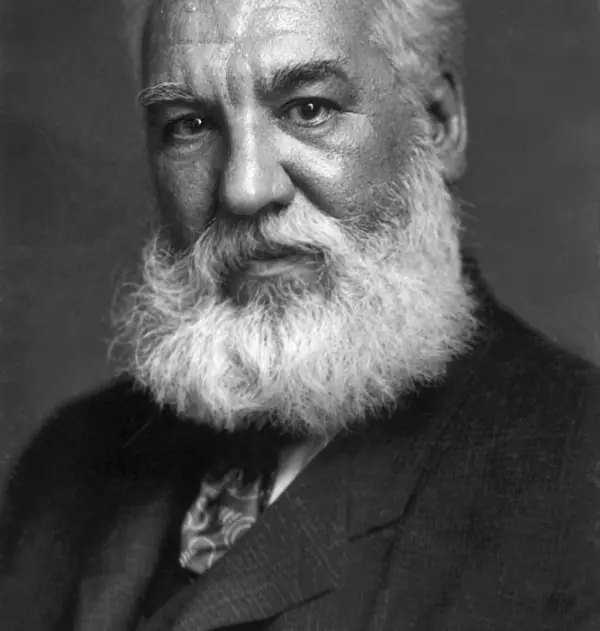
| Telephone | Alexander Graham Bell |
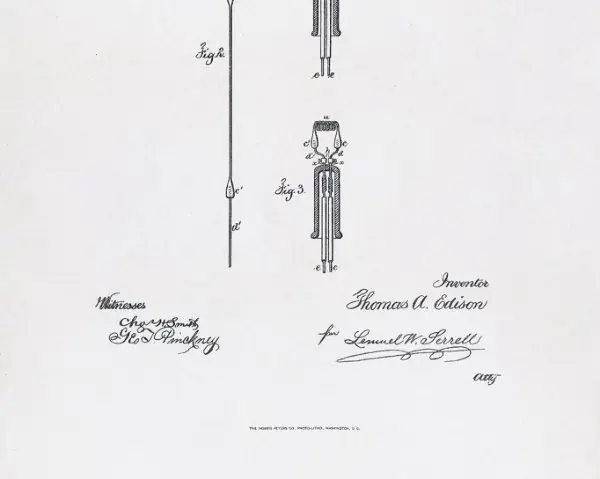
| Light bulb (practical) | Thomas Edison |
| World Wide Web | Tim Berners-Lee |
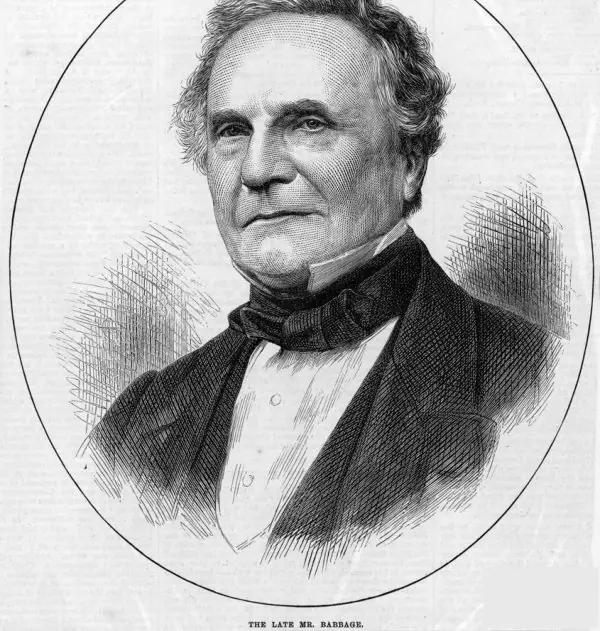
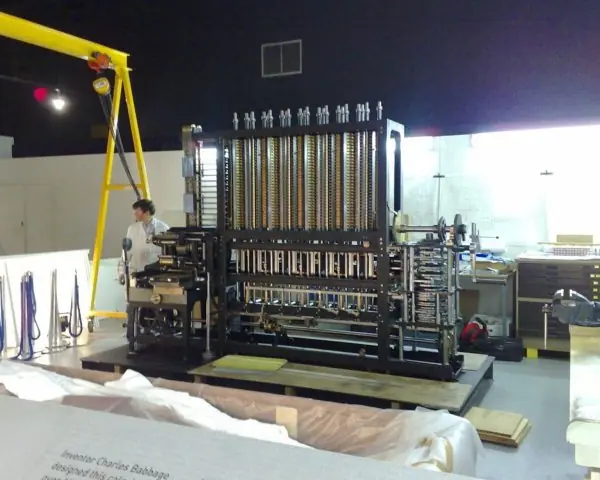
| Father of the computer (analytical engine) | Charles Babbage |
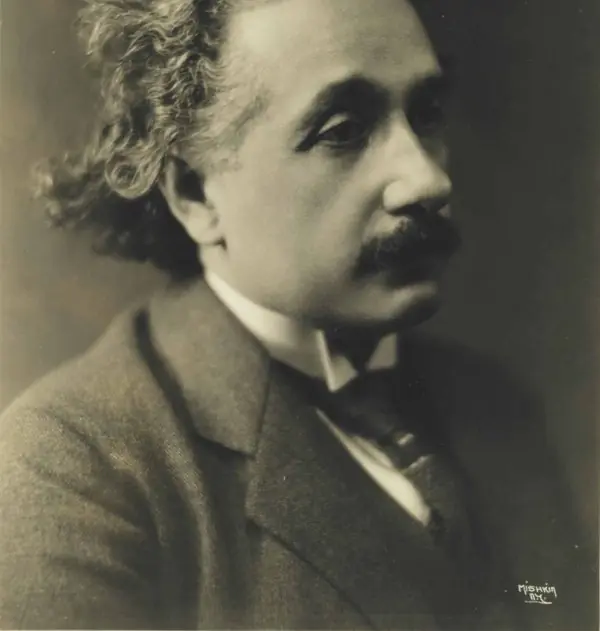
| Theory of relativity | Albert Einstein |
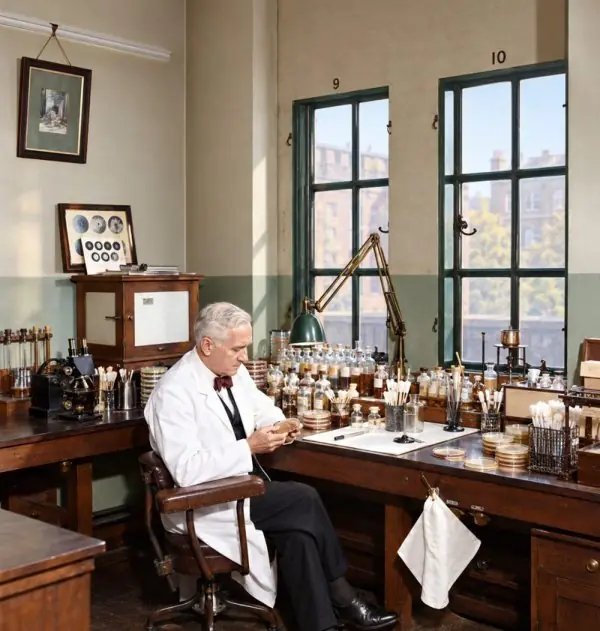
| Penicillin | Alexander Fleming |
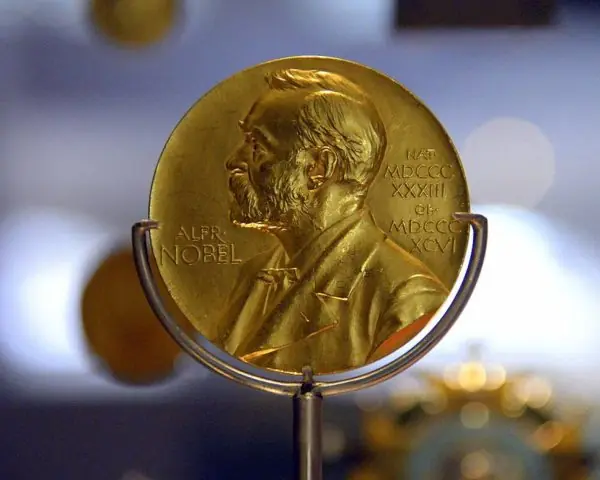
Nobel Prizes are given in Physics, Chemistry, Physiology or Medicine, Literature, Peace and Economic Sciences (the last added in 1969). There is no Nobel Prize in computer science; its highest award is the Turing Award.
The Peace Prize is awarded in Oslo, the others in Stockholm.


2.5 Eight traps in world GK questions
World GK has no pattern to derive, so exam writers test whether you can separate two things that sound alike. These eight traps cover most of the world-GK questions in model papers.
- Largest by area is not largest by people. Russia is the largest country by area, but India has been the most populous since 2023. Questions on "largest" nearly always name one measure in the stem, so underline it before you read the options. Do not pick China just because it feels big.
- The capital is rarely the biggest city. Canberra, not Sydney; Ottawa, not Toronto; Brasília, not Rio; Bern, not Zurich; Islamabad, not Karachi (Fig 2.2). All five were planned or chosen as compromise capitals, which is why they are smaller than the rival city. Dhaka and Tokyo are the easy cases where the capital is also the largest city.
- Longest river depends on the measure. The Nile is the commonly cited longest river, although some surveys place the Amazon first, and the Amazon is certainly first by volume of water. If the stem says "longest" choose the Nile, and if it says "largest discharge" choose the Amazon. Nepal's own pair works the same way: Karnali is longest, Koshi carries the most water.
- Tallest building, tallest mountain, highest point. Burj Khalifa (828 m) is the tallest building and Everest is the highest point above sea level. Measured from its base on the sea floor, Mauna Kea in Hawaii is taller than Everest, which is a favourite trick. Read whether the question says "above sea level" or "from base to top".
- Know which city hosts which body. The UN is in New York, WHO and WTO in Geneva, UNESCO in Paris, IMF and World Bank in Washington, D.C., and SAARC in Kathmandu (Fig 2.4). Many students write Geneva for everything. Keep the cluster picture in mind and the question becomes a lookup.
- Event year rules. FIFA World Cup years leave remainder 2 when divided by 4 (2018, 2022, 2026), while the Olympics and the European Championship fall in years divisible by 4 (Fig 2.5). Use the rule to fix a year you half remember. The Tokyo Games, named 2020, were played in 2021, so read "held in" differently from "named".
- Host is not winner. Russia hosted in 2018 but France won; Qatar hosted in 2022 but Argentina won; the 2026 hosts USA, Canada and Mexico were beaten by Spain. Always check whether the stem asks for host, winner or runner-up. The same applies to cricket: Australia won the 2023 ODI World Cup, which India hosted.
- Inventor, discoverer and popular name. Bell patented the telephone, Edison made the practical light bulb (he did not invent the first lamp), Fleming discovered penicillin, and Berners-Lee invented the World Wide Web (not the Internet). Babbage is the father of the computer as the designer of the Analytical Engine, while Turing is the father of theoretical computer science. If the question says "father of computer" choose Babbage unless Turing is the only sensible name.
2.5.1 Worked checks
Q. A resolution in the UN Security Council gets 10 yes votes, 4 abstentions and 1 no vote from Russia. What happens? (a) It passes (b) It fails because of a veto (c) It passes after a vote in the General Assembly (d) It is sent to the ICJ
Answer: (b). The Council has 15 members and needs at least 9 yes votes, so 10 is enough, but a no vote from any of the five permanent members is a veto and the resolution fails (Fig 2.3).
An abstention is not a veto, which is why the other 4 do not matter. This is the most common conceptual question on the UN.
Q. Which of these has no Nobel Prize? (a) Peace (b) Literature (c) Economic Sciences (d) Computer science
Answer: (d). The five original prizes began in 1901 and Economic Sciences followed in 1969 (Fig 2.7). Computer science has the Turing Award instead, so option (d) is the only field without a Nobel.
Formula and fact sheet
| Quick facts | |
|---|---|
| UN | 1945, New York, 193 members |
| SAARC | 1985, Kathmandu |
| 2018 / 2022 / 2026 World Cup | France / Argentina / Spain |
| Nobel | no computer science |
Chapter summary
- Russia is the largest, Vatican City the smallest; India is the most populous.
- Canberra, not Sydney; Ottawa, not Toronto.
- UN: 1945, New York, 193 members, five veto powers.
- World Cup winners 2018, 2022, 2026: France, Argentina, Spain.
- Babbage is the father of the computer; Berners-Lee invented the Web.
Practice questions
Set A — Recall (20 questions)
- The largest country in the world by area isaCanadabChinacRussiadUSA
- The smallest country in the world isaVatican CitybMonacocNaurudMalta
- The capital of Japan isaOsakabKyotocSeouldTokyo
- The capital of Australia isaSydneybCanberracMelbournedPerth
- The largest ocean is theaAtlanticbIndiancArcticdPacific
- The headquarters of the United Nations is inaNew YorkbGenevacParisdVienna
- The United Nations was founded ina1919b1939c1945d1955
- The tallest building in the world isaShanghai TowerbBurj KhalifacTaipei 101dEiffel Tower
- The "Father of the Computer" isaCharles BabbagebBill GatescMark ZuckerbergdSteve Jobs
- The FIFA World Cup 2022 was won byaFrancebCroatiacBrazildArgentina
- The FIFA World Cup 2026 was won byaArgentinabFrancecSpaindEngland
- The FIFA World Cup 2018 was won byaCroatiabFrancecGermanydBrazil
- The 2024 Summer Olympics were held inaParisbTokyocLondondLos Angeles
- Which of these has no Nobel Prize?aPhysicsbLiteraturecComputer SciencedPeace
- The longest river in the world, by common reckoning, is theaAmazonbYangtzecMississippidNile
- The highest mountain in the world isaK2bEverestcKanchenjungadLhotse
- The "Land of the Rising Sun" isaJapanbChinacKoreadVietnam
- The "Land of the Thunder Dragon" isaNepalbTibetcBhutandMyanmar
- The capital of Canada isaTorontobVancouvercMontrealdOttawa
- The telephone was invented byaEdisonbGraham BellcMarconidTesla
Answers and explanations — Set A
1. (c) — Russia.
2. (a) — Vatican City, about 0.44 km².
3. (d) — Tokyo.
4. (b) — Canberra, not Sydney.
5. (d) — the Pacific.
6. (a) — New York.
7. (c) — 24 October 1945.
8. (b) — Burj Khalifa, 828 m.
9. (a) — Charles Babbage designed the Analytical Engine.
10. (d) — Argentina beat France on penalties.
11. (c) — Spain beat Argentina 1–0 after extra time on 19 July 2026.
12. (b) — France beat Croatia 4–2.
13. (a) — Paris.
14. (c) — computing's top award is the Turing Award.
15. (d) — the Nile (the Amazon is a rival claim).
16. (b) — Everest, 8,848.86 m.
17. (a) — Japan.
18. (c) — Bhutan.
19. (d) — Ottawa.
20. (b) — Alexander Graham Bell.
Set B — Understanding (12 questions)
- The secretariat of SAARC is located inaKathmandubDhakacDelhidColombo
- The number of permanent members of the UN Security Council isa3b4c5d6
- The ODI Cricket World Cup 2023 was won byaIndiabEnglandcNew ZealanddAustralia
- The capital of Bangladesh isaChittagongbDhakacSylhetdKhulna
- The capital of Bhutan isaParobPunakhacPhuntsholingdThimphu
- The capital of Pakistan isaIslamabadbKarachicLahoredRawalpindi
- The "Big Apple" isaLos AngelesbChicagocNew YorkdBoston
- The largest hot desert in the world isathe Gobibthe Saharacthe Thardthe Kalahari
- The World Wide Web was invented byaTim Berners-LeebBill GatescSteve JobsdVint Cerf
- The "Eternal City" isaAthensbPariscCairodRome
- The Nobel Peace Prize is awarded inaStockholmbOslocGenevadCopenhagen
- The largest continent isaAfricabEuropecAsiadNorth America
Answers and explanations — Set B
1. (a) — Kathmandu.
2. (c) — USA, UK, France, Russia, China.
3. (d) — Australia beat India in the final.
4. (b) — Dhaka.
5. (d) — Thimphu.
6. (a) — Islamabad.
7. (c) — New York.
8. (b) — the Sahara (Antarctica is the largest desert overall).
9. (a) — Tim Berners-Lee, 1989.
10. (d) — Rome.
11. (b) — Oslo; the other prizes are in Stockholm.
12. (c) — Asia.
Set C — Application (8 questions)
- The "Pink City" of India isaJodhpurbJaipurcUdaipurdAgra
- The most populous country in the world (since 2023) isaChinabUSAcIndonesiadIndia
- The number of member states of the United Nations isa193b195c190d200
- The 2028 Summer Olympics will be held inaBrisbanebPariscLos AngelesdTokyo
- The UEFA Euro 2024 was won byaSpainbEnglandcFrancedItaly
- The deepest point of the world's oceans is in theaPuerto Rico TrenchbJava TrenchcSunda TrenchdMariana Trench
- The Women's Cricket World Cup 2025 was won byaAustraliabEnglandcIndiadSouth Africa
- The "Dark Continent" isaAsiabAfricacSouth AmericadAntarctica
Answers and explanations — Set C
1. (b) — Jaipur.
2. (d) — India passed China in 2023.
3. (a) — 193, since South Sudan joined in 2011.
4. (c) — Los Angeles.
5. (a) — Spain beat England 2–1.
6. (d) — the Mariana Trench (Challenger Deep, about 10.9 km).
7. (c) — India beat South Africa in the final, November 2025.
8. (b) — Africa.